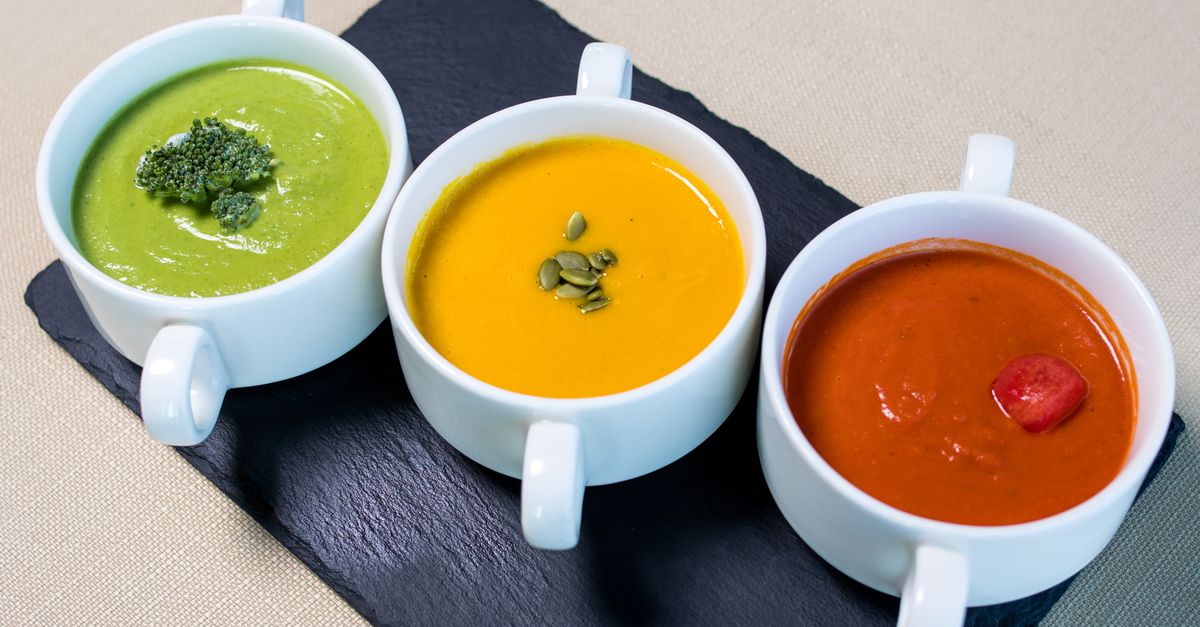
Why Your Homemade Soup Is Bland (And The Flavor Secrets That Changed Everything For Me)
We’ve all been there. You spend an hour or two carefully chopping vegetables, simmering broth, and adding what you think are all the right seasonings for a comforting pot of homemade soup. You stir, you taste, and… it’s just… fine. It’s nourishing, yes, but it lacks the depth, the complexity, the sheer deliciousness of a restaurant soup or that memorable bowl your grandmother used to make. It’s bland, flat, missing that elusive something that makes you want a second helping.
I used to chalk it up to some mystical culinary talent I simply didn’t possess. My soups were always wholesome, but never truly exciting. They filled a need, but never sparked joy. This was a particular frustration for me, as soup is such a versatile and comforting meal – a perfect canvas for creativity. It wasn’t until I started deconstructing the why behind the blandness, rather than just throwing in more salt, that I unlocked the true potential of my soup pot.
This isn’t about following a complicated recipe perfectly. It’s about understanding the fundamental flavor principles that elevate soup from ‘meh’ to ‘marvelous.’ What changed everything for me wasn’t a secret ingredient (though I’ll share some fantastic ones), but a shift in my approach to building flavor layers. It’s about coaxing out the best from each component and knowing when to introduce them to the pot. If your homemade soup routinely disappoints, prepare for a revelation. I’ll share the specific, actionable strategies that transformed my bland broths into rich, satisfying, and utterly crave-able meals.
Key Takeaways
- Embrace deliberate flavor layering from the very first step, building complexity from the ground up.
- Master the art of browning aromatics and proteins deeply to create foundational savory notes.
- Understand the critical role of acid and umami boosters in brightening and deepening overall flavor.
- Don’t underestimate finishing touches; fresh herbs, quality fats, and a final seasoning adjustment are non-negotiable.
The Overlooked Power of Proper Browning (It’s Not Just for Meat)
Most home cooks rush this step, and it’s the single biggest reason their soups taste flat. When I first started cooking, I’d throw onions, carrots, and celery into a pot with a glug of oil and gently sweat them until translucent. Big mistake. While sweating is fine for some dishes, soup craves depth, and depth comes from browning.
Think of it this way: browning creates new, complex flavor compounds through the Maillard reaction. This isn’t just for searing steaks; it applies to vegetables too. When you gently sauté until translucent, you’re merely softening them. When you brown them – allowing sugars to caramelize and edges to darken (not burn!) – you’re building a rich, nutty, savory foundation that permeates your entire soup.
My Game-Changing Shift: I now dedicate at least 10-15 minutes to browning my mirepoix (onions, carrots, celery) over medium heat, often in batches if my pot is crowded. I let the onions get deep golden, sometimes even slightly mahogany. If I’m adding meat, I’ll brown that first until deeply colored, remove it, then proceed with the vegetables, scraping up all those delicious browned bits (fond) from the bottom of the pot with a splash of liquid or wine. This isn’t just about color; it’s about flavor development that you simply cannot replicate with quick sautéing. This one change alone transformed my vegetable and chicken noodle soups from forgettable to fantastic. For instance, in a simple lentil soup, taking the time to deeply brown the onions and garlic before adding liquids makes the difference between a watery, earthy flavor and a hearty, robust bowl that feels incredibly satisfying.
The Crucial Role of Acid (It’s Not Just for Salad Dressing)
This is the secret weapon many home cooks completely miss. When a soup tastes bland, our first instinct is to add more salt. While salt is essential, it can only do so much. Often, what’s truly missing is brightness and balance, and that comes from acid.
Acid acts like a spotlight for other flavors. It cuts through richness, prevents a soup from tasting muddy, and makes everything pop. Without enough acid, a soup can taste heavy, dull, or one-note, even if it’s perfectly seasoned with salt.
My Game-Changing Shift: I now consider acid an almost mandatory finishing touch for nearly every soup. My go-to acids are lemon juice, a splash of apple cider vinegar, or a dash of good quality red wine vinegar. For creamy soups, a dollop of sour cream, yogurt, or even crème fraîche can provide both richness and a tangy lift. The key is to add it at the end, off the heat, a little at a time, tasting as you go. For example, a tomato-based soup that feels a bit flat often just needs a squeeze of lemon or a tablespoon of red wine vinegar to wake up the tomato flavor and make it vibrant. In a heavy potato leek soup, a touch of apple cider vinegar brightens the earthiness and makes it feel less dense on the palate. I once made a chicken soup that was perfectly seasoned but just missing something. A half teaspoon of white vinegar stirred in at the end made the chicken taste more chicken-y and the vegetables more vibrant. It’s a subtle but profound difference.
Leveraging Umami Boosters (The Deep, Savory Fifth Taste)
Umami, often described as a savory, rich, or meaty taste, is critical for making a soup feel deeply satisfying and complex. Many bland soups are simply lacking this foundational layer of savory goodness. While browning helps, often you need specific ingredients to truly amplify that umami punch.
My Game-Changing Shift: I always have a few umami-rich ingredients on hand specifically for soup. My favorites include:
- Tomato Paste: Even a tablespoon, browned for a minute or two with your aromatics, adds incredible depth to almost any savory soup, not just tomato-based ones. It adds a concentrated, sweet-savory backbone.
- Mushrooms (especially dried): Dried porcini mushrooms, rehydrated and then chopped, along with their strained soaking liquid, are pure umami gold. Even fresh mushrooms, deeply browned, contribute significantly.
- Parmesan Rinds: Don’t throw them away! Simmering a Parmesan rind in your soup broth adds a subtle, nutty, incredibly savory depth. Remove before serving.
- Soy Sauce or Fish Sauce: A small dash (start with 1/2 teaspoon) can add incredible savory depth without making your soup taste explicitly Asian. It’s about enhancing the overall savoriness. This works particularly well in broth-based soups or stews.
- Nutritional Yeast: For vegetarian or vegan soups, nutritional yeast can mimic a cheesy, savory flavor and boost umami significantly.
In my experience, adding two tablespoons of browned tomato paste to a simple vegetable soup completely changes its character, giving it a hearty, robust feel. For a mushroom barley soup, incorporating rehydrated dried porcini and their liquid takes it from earthy to exquisitely deep and savory. These aren’t just additions; they are flavor amplifiers that make the whole pot sing.
Layering Seasonings Strategically (Not Just at the End)
Seasoning isn’t a one-time event; it’s a process. Many people dump all their herbs and spices in at the beginning or, worse, only at the very end. This leads to underdeveloped flavors or raw, unintegrated spice notes.
My Game-Changing Shift: I now think of seasoning in layers throughout the cooking process:
- Early Bloom: Spices like cumin, coriander, turmeric, or red pepper flakes benefit from being bloomed in fat with your aromatics after browning. This means adding them to the hot oil for 30-60 seconds, stirring constantly, until fragrant. This toasts them, waking up their flavors before liquid is added. For example, blooming curry powder for a pumpkin soup will yield a much deeper, more complex flavor than stirring it into the liquid directly.
- Mid-Cook Herbs: Heartier, woody herbs like thyme, rosemary, or bay leaves can go in early with the liquid. They need time to infuse their flavor into the broth. I always add a bay leaf to my chicken or beef soups, often along with a sprig or two of fresh thyme, allowing them to simmer for the duration.
- Late-Stage Freshness: Tender herbs like parsley, cilantro, chives, or dill are best added in the last 5-10 minutes of cooking or as a garnish. Their delicate flavors and vibrant colors are lost if cooked too long. A sprinkle of fresh parsley over a bowl of minestrone not only looks good but adds a burst of fresh, green flavor that lifts the whole dish.
- Salt and Pepper Throughout: Season with salt and pepper in small increments at each major stage (after browning, after adding liquid, at the end). This allows you to build flavor carefully and avoid over-salting. The worst mistake is waiting until the very end to salt a huge pot of liquid – it often leads to a salty taste but not a ‘well-seasoned’ taste, because the salt hasn’t integrated into the ingredients themselves.
I remember making a chili that was just missing something, even after adding all the spices. Then I learned about blooming. The next time, after browning my ground beef and onions, I added the chili powder, cumin, and oregano, stirring them in the hot fat for a minute until incredibly fragrant. Then I added the tomatoes and broth. The difference was night and day – the spices were integrated, rich, and truly alive in the dish.
The Non-Negotiable Finishing Touches (Elevate from Good to Great)
Even with all the diligent layering, a soup can still benefit immensely from thoughtful finishing touches. These are the elements that add texture, contrasting flavors, and visual appeal, elevating a simple bowl into something truly special.
My Game-Changing Shift: I now budget time and ingredients for these final flourishes. They are not optional if I want truly amazing soup:
- Fresh Herbs: As mentioned, a generous sprinkle of fresh, chopped herbs like parsley, cilantro, or chives right before serving adds brightness, aroma, and color. It’s a non-negotiable step for almost every soup I make.
- Good Quality Fat: A swirl of extra virgin olive oil, a pat of butter, or a drizzle of chili oil (for specific soups) can add richness, mouthfeel, and carry flavors. This is particularly effective in vegetable-heavy or broth-based soups. For a hearty bean soup, a finishing drizzle of peppery olive oil is transformative.
- Croutons or Crusty Bread: Texture contrast is crucial. Crunchy croutons, toasted seeds (like pumpkin or sunflower), or simply a slice of warm, crusty bread for dipping, provide a satisfying counterpoint to the soft soup. Homemade croutons tossed with garlic and herbs are infinitely better than store-bought.
- Dairy/Creaminess: A dollop of sour cream, Greek yogurt, crème fraîche, or a splash of heavy cream can add richness, temper spice, and provide a lovely tang, especially to creamy or spicy soups. For a sweet potato and ginger soup, a swirl of coconut milk at the end adds luxurious creaminess and mellows the ginger.
- Cheese: Grated Parmesan, crumbled feta, or a sprinkle of sharp cheddar can add a salty, savory kick and a lovely texture. A sprinkle of freshly grated Parmigiano-Reggiano on a minestrone is always welcome.
These small additions might seem minor, but they collectively make a monumental difference. My French onion soup, for instance, isn’t truly complete without a thick, broiled gruyere crouton. My spicy black bean soup always gets a dollop of sour cream and a sprinkle of cilantro. These aren’t just garnishes; they’re integral parts of the flavor experience.
The Overarching Principle: Taste, Adjust, Repeat
Ultimately, the biggest secret to soup that isn’t bland is constant tasting and adjusting. So many cooks follow a recipe to the letter, taste it once at the end, and decide it’s done. But ingredients vary, heat varies, and your own preferences evolve. What changed everything for me was developing my palate specifically for soup, learning to identify what was missing, and knowing how to fix it.
My Game-Changing Shift: I now taste my soup at every major stage:
- After browning aromatics and deglazing.
- After adding broth and simmering for a while.
- When adding new ingredients like vegetables or proteins.
- Before serving.
And when I taste, I ask myself specific questions: Does it need more salt? Is it too rich? (Add acid!) Is it missing a deep savory note? (Umami booster!) Does it need a little heat? (Red pepper flakes or a dash of hot sauce!) Is it flat? (More salt, a pinch of sugar, or more acid!). Sometimes it’s a tablespoon of fresh herbs, other times it’s a tiny squeeze of lemon, or even just a pinch of sugar to balance the acidity of tomatoes. My soup always ends up better because I’m actively engaged in its flavor development, rather than passively following a recipe. This iterative process is what truly moves a soup from bland to brilliant.
By consciously layering flavors, focusing on proper browning, incorporating acid and umami, seasoning strategically, and never skipping those crucial finishing touches, your homemade soups will transform. They’ll cease to be merely ‘fine’ and become the kind of comforting, deeply flavorful bowls that warm the soul and impress every palate. It’s a journey from bland to brilliant, and it’s within reach for every home cook.
Frequently Asked Questions
Q1: My soup always tastes watery. How do I fix that?
A: A watery taste usually indicates a lack of concentrated flavor, not just thinness. First, ensure you’re properly browning your aromatics and any proteins. Secondly, consider adding a tablespoon of tomato paste, a Parmesan rind, or dried mushrooms for umami depth. Simmering for longer can also help reduce the liquid and concentrate flavors, but it won’t fix a lack of foundational flavor. For vegetarian soups, try using vegetable broth with a rich, roasted flavor profile, or even making your own from scratch using deeply roasted vegetables.
Q2: Can I use dried herbs instead of fresh? What’s the difference?
A: Yes, you can use dried herbs, but they behave differently. Dried herbs are more concentrated and their flavors are released more slowly. I recommend using about one-third to one-half the amount of dried herbs compared to fresh. For example, if a recipe calls for 1 tablespoon of fresh thyme, use 1/2 teaspoon of dried. Woody dried herbs (like thyme, rosemary, oregano) are best added earlier in the cooking process to allow their flavors to infuse. Delicate dried herbs (like parsley, cilantro) don’t have the same vibrant fresh burst as their fresh counterparts, so they’re often less impactful. Always bloom dried spices (like cumin, coriander) in hot fat first.
Q3: How do I make my vegetarian soups taste as rich and satisfying as meat-based ones?
A: Focus heavily on the umami boosters and deep browning. Deeply caramelize onions, mushrooms, and other vegetables. Utilize ingredients like browned tomato paste, rehydrated dried mushrooms and their soaking liquid, nutritional yeast, miso paste (added at the end, off the heat), and a touch of soy sauce. Smoked paprika can also add a subtle, savory depth. Don’t forget that crucial splash of acid at the end to brighten everything up. A really good vegetable broth is also key; making your own with roasted vegetables makes a huge difference.
Q4: My creamy soups sometimes taste heavy. How do I lighten them up without losing creaminess?
A: This is where acid is your best friend. A squeeze of lemon juice, a splash of white wine vinegar, or a dollop of Greek yogurt or sour cream added at the end will cut through the richness and add brightness, making the soup feel less heavy. You can also experiment with using milk or half-and-half instead of heavy cream, or pureeing a portion of your vegetables (like potatoes, cauliflower, or white beans) into the soup to naturally thicken it without adding excessive fat.
Q5: How do I know if I’ve added enough salt, or too much?
A: This comes with practice. The best approach is to season in layers, adding small amounts of salt at each stage of cooking and tasting frequently. Start with what you think is a little less than you’ll need. As the soup simmers and flavors concentrate, you’ll continue to adjust. If you accidentally over-salt, you can try adding a raw potato (which will absorb some salt, then remove it), a splash more unsalted broth or water, or a pinch of sugar (which can balance saltiness without adding sweetness). Acid also helps balance out saltiness, so a squeeze of lemon might do the trick.
Written by Mark Henderson
Life Skills and Practical Wisdom
Drawing from decades as an educator, Mark offers grounded advice on personal development and problem-solving.
You Might Also Like

Why Your DIY Furniture Makeover Chips and Peels (And The Prep Secrets I Learned for a Pro Finish)
Stop furniture paint from chipping. Learn the crucial prep steps I discovered that guarantee a lasting, professional-looking DIY furniture makeover.

Why Your DIY Furniture Makeover Chips and Peels (And How to Get a Lasting, Pro Finish)
Stop your DIY furniture makeovers from peeling! Learn the crucial prep steps and pro painting techniques for a durable, professional-looking finish.
Why Your DIY Gardening Fails Most People (And What Actually Works for a Thriving Harvest)
Discover why common DIY gardening advice falls short and learn the counter-intuitive strategies that guarantee a bountiful, healthy harvest.