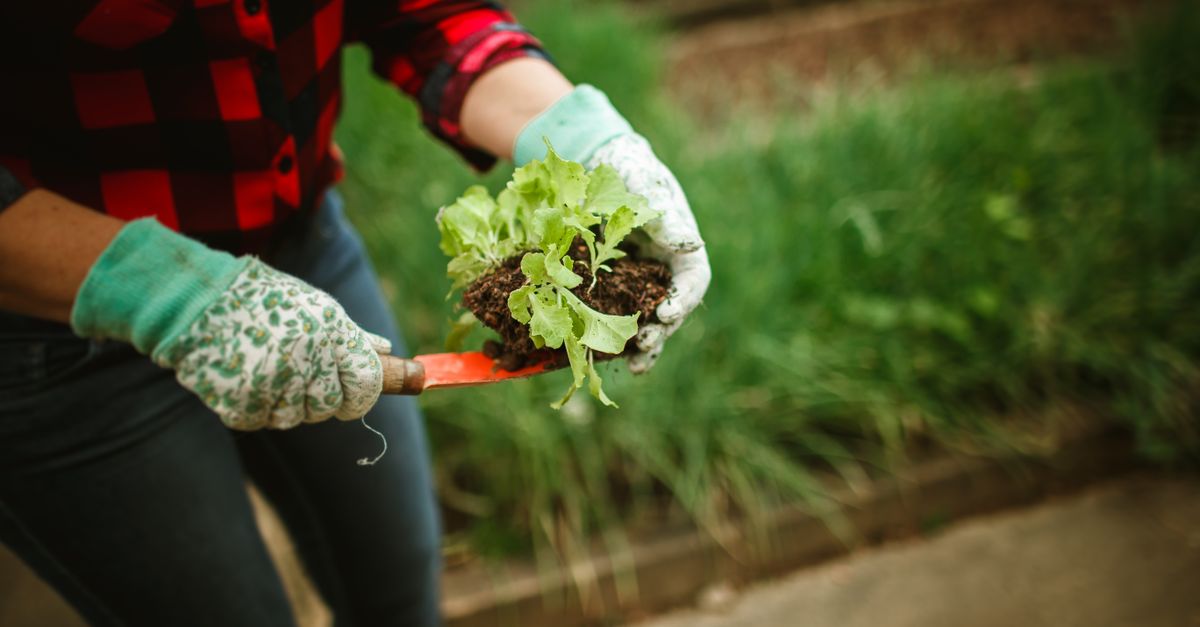
Why Your DIY Gardening Fails Most People (And What Actually Works for a Thriving Harvest)
You spend hours poring over seed catalogs, meticulously preparing your raised beds, and religiously watering. You envision lush tomatoes, crisp lettuce, and fragrant herbs. Yet, come harvest time, your garden often looks… meh. Maybe a few sad-looking vegetables, some pest-eaten leaves, and far too many weeds. You’re left wondering if you just have a ‘brown thumb’ or if gardening is simply too much work for too little reward. I’ve been there. For years, my gardening efforts felt like an uphill battle against nature, culminating in disappointing yields and a sense of defeat. It wasn’t until I stopped blindly following generic advice and started observing, experimenting, and understanding the real needs of plants that my garden truly flourished.
Most DIY gardening advice, while well-intentioned, often misses the foundational principles that distinguish a thriving garden from a struggling one. It focuses on surface-level tasks rather than the underlying biological and environmental factors that dictate success. What changed everything for me wasn’t a magic fertilizer or a new watering schedule, but a shift in perspective – treating my garden not as a collection of individual plants, but as a complex, interconnected ecosystem.
Key Takeaways
- Stop focusing solely on individual plant needs and cultivate a healthy soil ecosystem first.
- Recognize that consistent, deep watering is more critical than frequent, shallow watering.
- Embrace natural pest control and companion planting over chemical interventions for long-term health.
- Understand that proper pruning is about redirecting energy, not just tidying up.
- Plan your garden for succession and intercropping to maximize yields and minimize bare soil.
Why ‘Good Soil’ Isn’t Just About Bagged Compost: Building a Living Ecosystem
When most people start a garden, the advice is always the same: “Get good soil.” So, we buy bags of topsoil, maybe some compost, mix it in, and call it a day. The mistake I see most often is treating soil like a inert growing medium, like potting mix in a container. In reality, healthy garden soil is a bustling, living ecosystem, teeming with microorganisms, fungi, and beneficial insects. If your soil isn’t alive, your plants will struggle, no matter how much fertilizer you dump on them.
My early gardens were a testament to this misunderstanding. I’d add fresh compost every spring, but my plants still looked lackluster. What changed everything for me was realizing that soil health is a long-term investment, not a seasonal amendment. Instead of just adding compost to the soil, I started feeding the soil itself. This meant:
- Minimizing Tillage: Every time you dig or turn your soil, you disrupt the delicate fungal networks and microbial communities that plants rely on. I switched to no-till gardening, adding organic matter (compost, shredded leaves, wood chips) directly to the surface. This mimics nature’s process, building soil structure and fertility from the top down.
- Constant Coverage: Bare soil is dead soil. It erodes, dries out, and suppresses microbial activity. I adopted a “never bare soil” policy. This means using cover crops in the off-season (like clover or oats) and applying a thick layer of organic mulch (straw, wood chips, leaves) around all my growing plants. This conserves moisture, suppresses weeds, and provides a continuous food source for soil life.
- Diverse Organic Matter: Don’t just stick to one type of compost. Incorporate a variety of organic materials over time – spent coffee grounds, eggshells, shredded newspaper, grass clippings (chemical-free!). Each adds different nutrients and feeds different microbes, creating a more robust and resilient soil food web. Think of it like a balanced diet for your soil.
Concrete Example: I once had a patch of tomatoes that consistently yielded small, disease-prone fruit despite ample sunlight and water. After two years of implementing these soil-building practices, the same patch produced double the yield, with larger, healthier, and more disease-resistant tomatoes. The only difference was the long-term investment in fostering a living soil ecosystem.
The Deep Dive: Why Shallow Watering Kills More Than It Helps
One of the most common gardening practices, and one that ironically causes the most problems, is frequent, shallow watering. Most beginners believe that if the top inch of soil feels dry, it’s time to water. This leads to a vicious cycle: plants develop shallow root systems, making them highly susceptible to drought stress, nutrient deficiencies, and even disease.
In my experience, what changed everything was understanding that watering is about encouraging roots to go deep, not just keeping the surface moist. Think about how plants get water in nature – deep rains soak the soil, or roots tap into underground water tables. Your job as a gardener is to simulate this, training your plants to be self-sufficient.
Here’s how I shifted my watering strategy:
- Water Less Often, But Deeper: Instead of daily sprinkles, I now water deeply two to three times a week, depending on the weather and plant type. I aim to saturate the soil to a depth of at least 6-12 inches. You can check this by digging a small hole after watering or using a moisture meter. This encourages roots to grow downwards, seeking out moisture and nutrients, making plants more resilient.
- Water at the Base, Not the Leaves: Overhead watering wastes water through evaporation and can promote fungal diseases on foliage. I use drip irrigation or soaker hoses, or simply water slowly at the base of each plant with a watering can or hose. This delivers water directly to the root zone where it’s needed most.
- Read Your Plants, Not Just the Soil Surface: A wilting plant doesn’t necessarily mean it needs water immediately. Sometimes, it’s a sign of overwatering (roots suffocating) or even heat stress that will resolve as temperatures drop. Learn the subtle cues: drooping leaves in the morning indicate thirst, while wilting in the afternoon sun that perks up by evening is usually just temporary heat stress. When in doubt, feel the soil several inches down.
Specific Numbers: Studies show that deep watering can reduce water consumption by 30-50% while significantly increasing plant yield and resilience compared to frequent, shallow watering.
Beyond Bug Sprays: Cultivating Natural Pest & Disease Resistance
The instant gratification culture often leads new gardeners straight to chemical pesticides and fungicides at the first sign of a chewed leaf or a spot on a tomato. The hidden cost of this approach is often overlooked: these chemicals don’t just kill ‘bad’ bugs; they indiscriminately wipe out beneficial insects, soil microbes, and pollinators. This creates an imbalance, leading to a never-ending battle where you’re constantly applying more chemicals because nature’s own defenses have been destroyed.
What changed everything for me was embracing a holistic approach: preventative measures and fostering a biodiverse garden that fights its own battles. My goal became to make my garden unattractive to pests and attractive to their predators.
Here’s how I manage pests and diseases naturally:
- Diversity is Key (Companion Planting): A monoculture (a single crop over a large area) is an open invitation for pests. I interplant a variety of crops, herbs, and flowers. For example, planting marigolds near tomatoes can deter nematodes, basil can repel tomato hornworms, and dill or cilantro can attract beneficial predators like ladybugs and lacewings.
- Boost Plant Health: Healthy, vigorous plants are naturally more resistant to pests and diseases. This circles back to good soil and proper watering. Stress plants are like sick children – more susceptible to illness. Focus on providing optimal growing conditions, and many problems will simply disappear.
- Physical Barriers & Hand-Picking: For larger pests like slugs or squash bugs, simple physical barriers (row covers, copper tape for slugs) or good old-fashioned hand-picking can be incredibly effective. A daily stroll through the garden with a keen eye and a bucket of soapy water is often all you need.
- Embrace “Good Bugs”: Not all insects are bad. Learn to identify beneficial insects like ladybugs, hoverflies, parasitic wasps, and ground beetles. These are your garden allies, preying on aphids, caterpillars, and other common pests. Provide them with habitat by planting small-flowered plants like dill, fennel, or cosmos.
Real Comparison: In my first year, I battled aphids on my peppers with organic neem oil, constantly spraying. The next year, by planting calendula and cilantro nearby, I saw a significant increase in ladybugs, and the aphid problem resolved itself with almost no intervention from me. It’s a shift from ‘killing’ to ‘cultivating’.
The Pruning Paradox: Why Less (or More Strategic) is Truly More
Pruning is often seen as a confusing chore, or worse, an unnecessary task that can harm plants. Many beginners shy away from it, or they prune haphazardly, removing leaves or branches without understanding the underlying purpose. This leads to dense, unproductive plants, poor air circulation, and wasted energy.
My perspective on pruning dramatically shifted when I realized it’s not just about tidying up; pruning is about directing a plant’s energy and improving its long-term health and productivity. You’re making strategic cuts to achieve a specific outcome, whether it’s more fruit, better air circulation, or stronger stems.
Here’s how I approach pruning:
- Understand the Plant’s Goal: Different plants require different pruning strategies. For tomatoes, pruning suckers (the shoots that grow between the main stem and a leaf branch) directs energy into fruit production. For fruit trees, it’s about establishing strong scaffold branches and encouraging fruiting spurs. For herbs, it’s about encouraging bushier growth and delaying flowering. Before you cut, know why you’re cutting.
- Improve Air Circulation: Dense foliage can trap humidity, creating a perfect breeding ground for fungal diseases. Removing inner leaves or branches, especially at the base of plants like tomatoes or peppers, significantly improves airflow. This simple act drastically reduced blight on my tomatoes.
- Redirect Energy: Every leaf and stem requires energy from the plant. By removing unproductive growth (like suckers that won’t have time to mature fruit, or dead/diseased branches), you ensure that the plant’s resources are channeled into the parts that will produce a harvest or contribute to overall vigor. It’s an investment in future yields.
- Use Sharp, Clean Tools: A ragged cut is an open wound that can invite disease. Always use sharp, sterilized pruning shears. A quick wipe with rubbing alcohol between plants prevents the spread of pathogens.
Before/After Example: I once let a determinate tomato plant grow unchecked, resulting in a bushy mess with small, scattered fruit and rampant disease. The next year, I pruned it to a single main stem, removing all suckers below the first flower cluster. The result? Fewer but significantly larger, healthier tomatoes that ripened more consistently, and the plant was far less susceptible to fungal issues.
The Abundance Mindset: Planning for Continuous Harvests (Beyond ‘Plant and Wait’)
The typical DIY gardener plants everything in spring, harvests it all in summer, and then their garden sits empty. This ‘plant and wait’ mentality drastically limits productivity and leaves valuable garden space unused for much of the year. It’s like buying a gym membership and only going once.
What changed everything for me was adopting an abundance mindset, focusing on succession planting and intercropping to maximize every inch of garden space and extend the harvest. My goal became a garden that consistently produces from early spring to late fall, sometimes even into winter.
Here’s how I plan for continuous abundance:
- Succession Planting: Instead of planting all your lettuce seeds at once, sow a small batch every 2-3 weeks. As one batch matures, another is ready to take its place. This works wonderfully for quick-growing crops like lettuce, radishes, spinach, and bush beans. I keep a detailed planting calendar, noting when each crop is planted and when it’s expected to mature, then scheduling the next succession.
- Intercropping & Staggered Planting: Don’t leave bare ground between rows. Plant fast-growing, shallow-rooted crops (like radishes or greens) between slower-growing, deeper-rooted crops (like broccoli or tomatoes). By the time the larger crop needs the space, the smaller one has already been harvested. Similarly, plant crops with different maturation times in the same bed. For example, plant peas in early spring, and as they finish, plant bush beans in the same spot.
- Vertical Gardening: Maximize vertical space with trellises, cages, and climbing plants. Cucumbers, pole beans, certain squash varieties, and even some smaller melons can be grown vertically. This frees up valuable ground space and often improves air circulation, reducing disease.
- Extend the Season: Don’t stop gardening after the summer heat. Invest in simple season extenders like row covers, cold frames, or low tunnels. These can allow you to plant earlier in spring and harvest later into fall, or even grow hardy greens through mild winters. I now regularly harvest kale and collards well into November.
Specific Data: By implementing succession planting and intercropping, I’ve personally increased my garden’s yield by an estimated 50-70% over what I achieved with the traditional ‘plant once’ method. It’s about working with your space and time, not against them.
Frequently Asked Questions
Q: I have really heavy clay soil (or sandy soil). Can I still build healthy soil?
A: Absolutely! It will take time, but the principles are the same. For clay, focus on adding significant amounts of organic matter (compost, aged wood chips) to improve drainage and aeration. For sandy soil, organic matter helps retain moisture and nutrients. Avoid excessive tilling, keep the soil covered with mulch, and focus on feeding the soil microbes, and your soil structure will gradually improve over years, becoming more loamy and productive. Patience is key here.
Q: How do I know how deep to water, especially with different plants?
A: A good general rule is to aim for 6-12 inches of moist soil for most vegetables. You can test this by pushing a trowel into the soil about an hour after watering to see how far down the moisture has penetrated. Alternatively, a simple soil moisture meter can give you a precise reading at different depths. Adjust based on plant size (larger plants need deeper watering) and current weather conditions (more frequent in hot, windy weather).
Q: What’s the easiest way to get started with natural pest control without feeling overwhelmed?
A: Start simple! The single most impactful step is to increase biodiversity. Plant a few flowering herbs (like dill, cilantro, or basil) or cheerful flowers (like marigolds or nasturtiums) right in your vegetable beds. These will attract beneficial insects that prey on common pests. Another easy step is to regularly inspect your plants. Catching a pest problem early means you can often hand-pick them off or spray with a simple soap-and-water solution before it becomes an infestation. Don’t aim for a perfectly bug-free garden, aim for a balanced one.
Q: How do I know what to prune and when without harming my plants?
A: The best advice is to learn the specific needs of each plant. A quick online search for “pruning [your plant name]” will yield specific guidance. For most vegetables, a general rule is to remove any yellowing, diseased, or dead leaves, and any branches that are crowding the center of the plant, especially those touching the ground. For fruit-producing plants, prune to encourage air circulation and direct energy to fruit. The “when” is often about preventing disease (e.g., pruning tomatoes after morning dew has dried) or encouraging new growth (e.g., pinching back herbs). Start small, and you’ll quickly gain confidence.
Q: My garden space is really small. Can I still do succession planting and intercropping?
A: Absolutely! Small spaces are where these techniques truly shine. Instead of planting a whole row of one crop, plant small patches (e.g., 3-4 lettuce plants) every week. When those are harvested, replant the same spot with something else. For intercropping, try planting radishes around your broccoli plants, or short herbs at the base of your pepper plants. Vertical gardening also makes a huge difference in small spaces. Think of your garden not as a flat canvas, but as a multi-dimensional growing opportunity.
Gardening doesn’t have to be a source of frustration and disappointment. By shifting your approach from simply ‘planting and waiting’ to actively cultivating a thriving ecosystem, you’ll find that your efforts yield far more than just vegetables – they yield a deeper connection to nature and a profound sense of accomplishment. Stop fighting your garden and start working with it. Your taste buds, and your peace of mind, will thank you.
Written by Mark Henderson
Life Skills and Practical Wisdom
Drawing from decades as an educator, Mark offers grounded advice on personal development and problem-solving.
You Might Also Like
Why Your DIY Furniture Makeover Chips and Peels (And The Prep Secrets I Learned for a Pro Finish)
Stop furniture paint from chipping. Learn the crucial prep steps I discovered that guarantee a lasting, professional-looking DIY furniture makeover.

Why Your DIY Furniture Makeover Chips and Peels (And How to Get a Lasting, Pro Finish)
Stop your DIY furniture makeovers from peeling! Learn the crucial prep steps and pro painting techniques for a durable, professional-looking finish.

Why Your Garden Always Looks 'Messy' (Even After Hours of Weeding) — And What Actually Works for Effortless, Year-Round Beauty
Discover why your garden always looks untidy despite your best efforts and learn actionable strategies for effortless, year-round beauty. Stop battling and start designing.